The Seamless Real presents a reality in which unbridled power and discipline paradoxically reinforce one another, condensed beneath sleek, polished and blazing surfaces. Balancing between observation and representation on steroids, Julika Rudelius, working without a fixed script, exposes the fascinations and modes of self-control that structure this world. Bodies – human, animal, and mechanical – are staged as instruments and textures of authority and intimidation. They emerge as projects that are continuously, almost ritually, maintained to generate strength: trained, refined, shaped, and displayed at the height of their potential, yet simultaneously restrained and cultivated through self-reflection, routines, and behavioral codes.
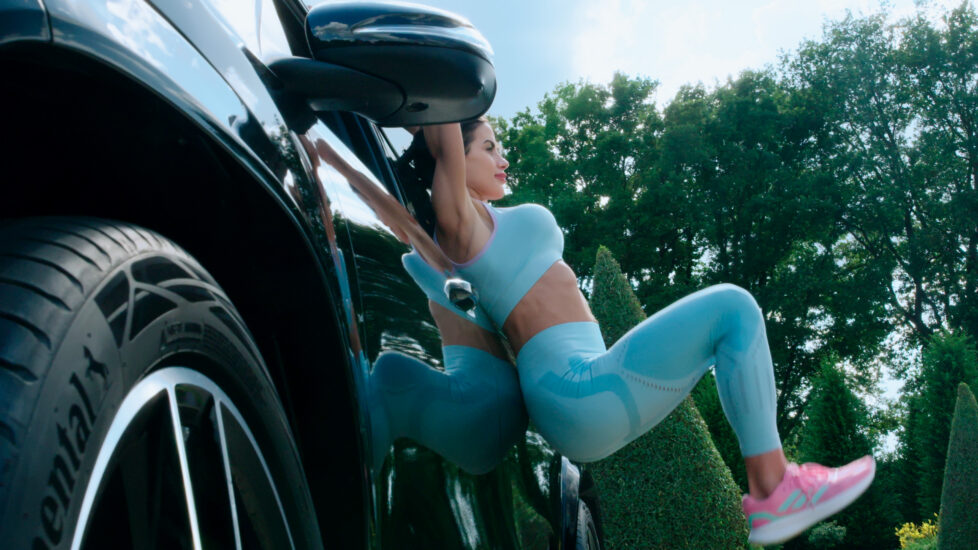
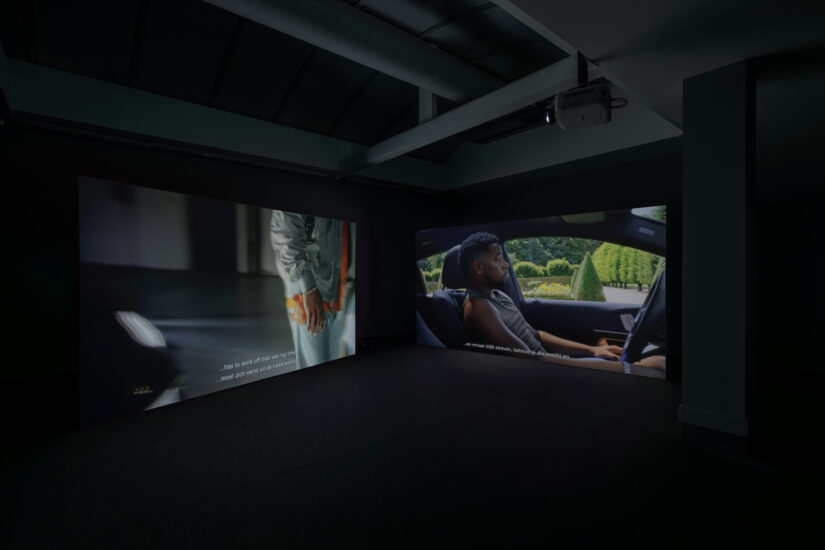
In Double Surface (2024–2026), commissioned by ROZENSTRAAT – a rose is a rose is a rose and the Weserburg Museum für moderne Kunst, Rudelius highlights environments rooted in ‘masculine’ fascinations and lifestyles. An immaculately crisp, almost paradisiacal landscape and nocturnal interiors serve as settings for bodies and vehicles that radiate an appearance of untouchable perfection. The reflections and commentaries accompanying these scenes shift between the grotesque and the simplistic yet occasionally acquire an unexpected philosophical resonance. Sensitive meditations alternate with superficial displays of outward (power) performance and the raw violence of roaring engines. Within this tension between gravity and banality, the construction of identity, control, and meaning becomes visible. The extreme regulation of the body – as well as of cars and motorcycles – seems closely tied to an attempt to ward off a growing sense of threat and chaos.
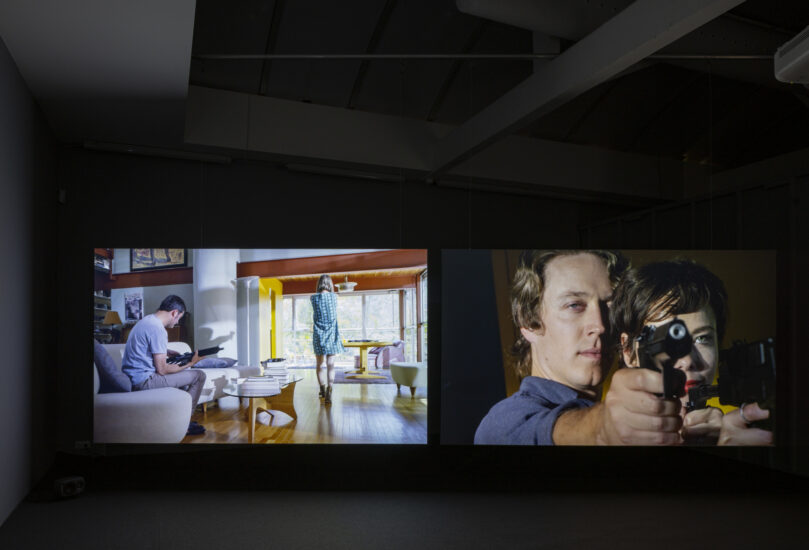
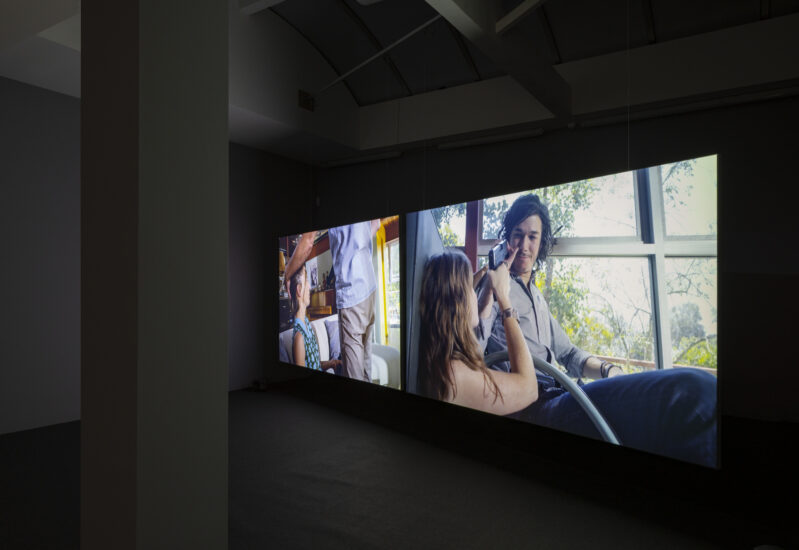
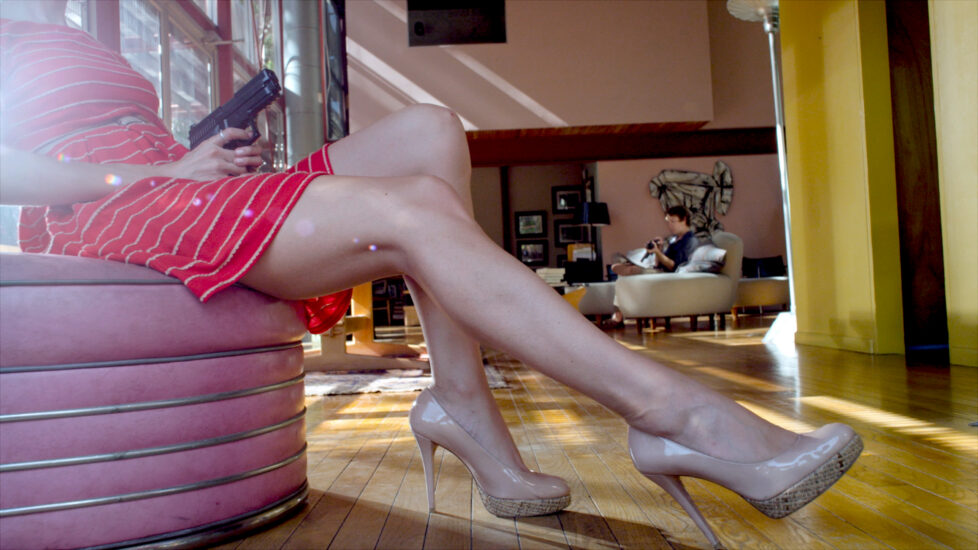
Liaison (2013) follows several couples from left-intellectual backgrounds who, during the making of the film, handle firearms for the first time. Through close-ups of bodies, gazes, and gestures, a dynamic unfolds in which the seductive allure of weapons as instruments of power is revealed. It is striking how effortlessly poses and gestures involving pistols are adopted, as if they were already familiar to them. At the same time, the film makes clear that the attraction of power transcends social class and gender.
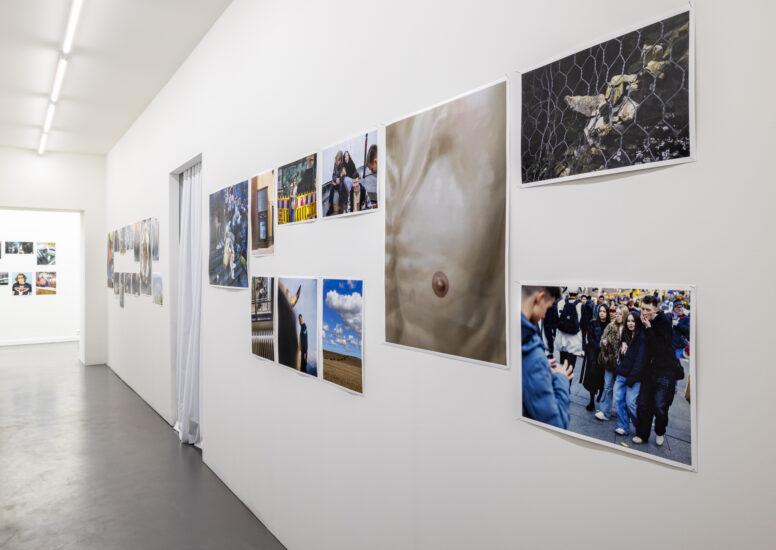
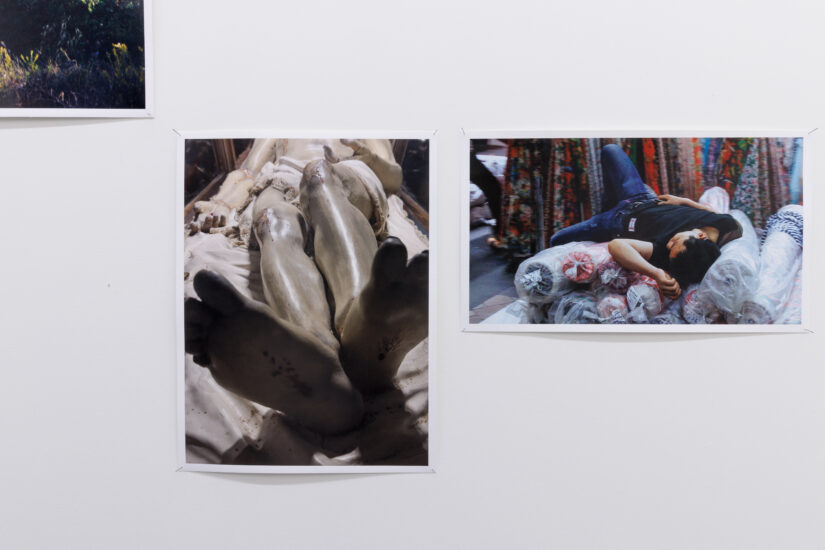
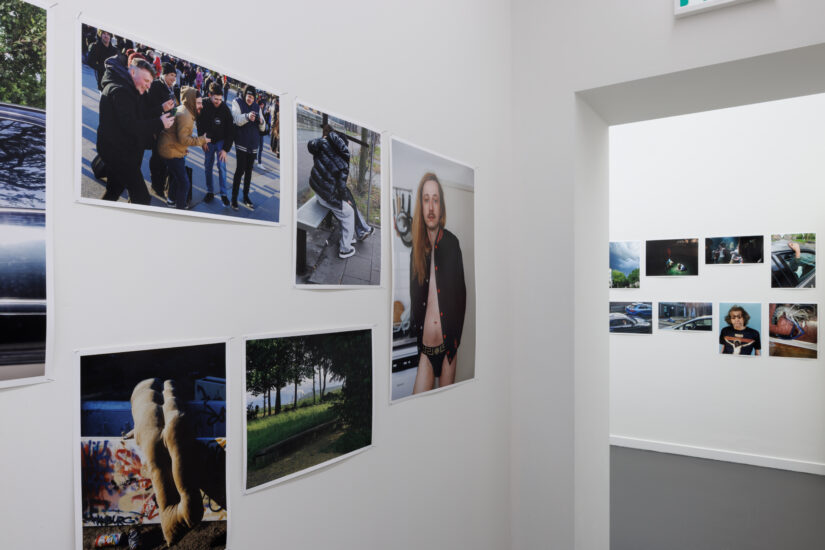
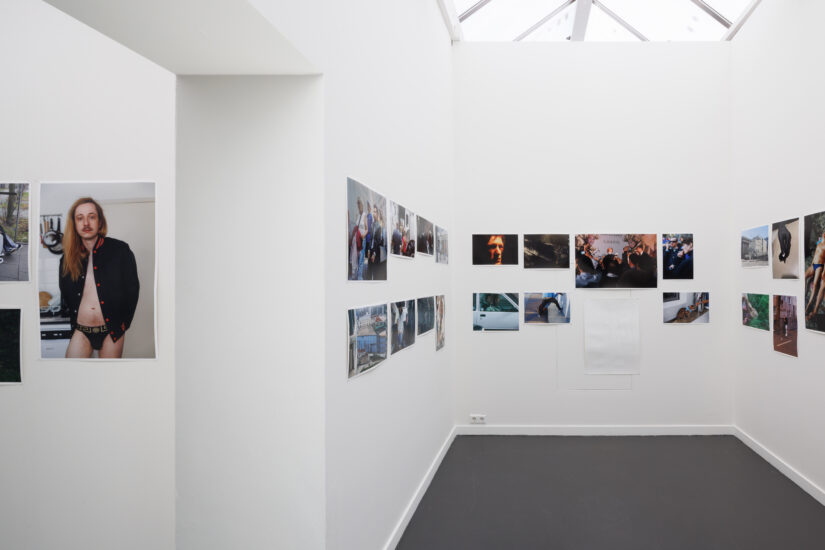
A prominent installation of photographs and drawings The Seamless Real (2026) separates the video works, which radically transformed the space. Although Rudelius has been drawing and photographing for many years, it is the first time this work is being shown alongside her video work in an institutional context. They evoke visceral feelings that resist capture through photography and film and form an initial point of departure for image-making within Rudelius’ practice. In this sense, the drawings function as an intermediate form: an interstitial image between intuition and photo. The installation creates an image world concerned not only with explicit patriarchal expressions of potency, but also with devotion, innocence, vulnerability, and the latent desires concealed within them.
In the exhibition, however, power is rarely released. Fueled by far-reaching ideals, it accumulates beneath the surface and is driven to an almost ominous extreme.
Support